

How Car Insurance Works in 2026 (Understand Your Coverage)
So, how car insurance works? Car insurance provides financial protection, with rates averaging $125 per month for full coverage. The purpose of car insurance is to cover liability, repair costs, and medical expenses, which helps drivers stay compliant with legal requirements and stay financially secure.
Read more





Table of Contents
Table of Contents

Expert Insurance Writer
Merriya Valleri is a skilled insurance writer with over a decade of professional writing experience. Merriya has a strong desire to make understanding insurance an easy task while providing readers with accurate and up-to-date information. Merriya has written articles focusing on health, life, and auto insurance. She enjoys working in the insurance field, and is constantly learning in order to ...
Merriya Valleri

Licensed Insurance Agent
Daniel Walker graduated with a BS in Administrative Management in 2005 and has run his family’s insurance agency, FCI Agency, for over 15 years (BBB A+). He is licensed as an insurance agent to write property and casualty insurance, including home, life, auto, umbrella, and dwelling fire insurance. He’s also been featured on sites like Reviews.com and Safeco. To ensure our content is accura...
Daniel Walker
Updated February 2025
Car insurance rates may vary accordingly with coverage options and driving records. Car insurance provides financial protection, with rates averaging $125/month. It would be helpful to examine some fundamental considerations about how car insurance works, such as policy types, deductibles, and premium calculations.

Car insurance works by providing financial protection, keeping drivers far from unexpected costs, and guaranteeing peace of mind. Learn why you need car insurance and how aspects such as vehicle type, location, and driving habits can impact costs. Coverage averaging $125/month is tailored to history and coverage.
Get the best auto insurance at the lowest price — enter your ZIP code to shop for coverage from the top insurers.
- Discover how car insurance works to protect you on the road
- Monthly rates average $125, based on coverage, location, and driving history
- Learn car insurance basics to choose the right coverage for your needs
Understanding the Basics of Car Insurance
Car insurance is vital to vehicle ownership, providing essential financial coverage for potential risks and damages. It acts as a contract between the policyholder and an insurance company, ensuring that the policyholder’s vehicle is protected in case of accidents or incidents.
What Car Insurance is
Car insurance serves as a safety net, offering the policyholder peace of mind while on the road. It is a legally binding agreement that outlines the terms and conditions between the policyholder and the insurance company. The insurance company compensates for losses incurred due to various factors in exchange for a premium.
- How Car Insurance Works
- Buying Car Insurance: How to Find the Best Policy for You in 2026
- Can you insure a car that is not in your name?
- Can you deduct car insurance on your taxes?
- Do you need a driver’s license to buy a car?
- What do car insurance brokers do?
- Why do you need car insurance?
- How to Cancel Gap Insurance in 2026
- Does your car insurance and registration need to be under the same name? (2026 Answers)
- Why You Need Car Insurance
- Insurance Policy Numbers in 2026 [Helpful Details Here]
- Can I get car insurance without a license?
- Do I need full coverage on a financed car?
- What does no fault state mean?
- Is it bad to just carry minimum coverage car insurance?
- Is it bad to have a car insurance driver monitor?
- How Much Insurance Do I Need for My Car?
- Car Insurance with Telematics (The Complete Guide)
- What You Need to Know About Fraud
- Car Insurance Guide
- The Perks and Pitfalls of Car Insurance Add-ons
- What if you can’t pay your deductible?
- When to Use Your Deductible
Car insurance policies can vary in coverage and cost, depending on the insurance company and the policyholder’s specific needs. They typically cover damages to the vehicle, medical expenses, and liability for injuries or property damage caused to others.
Why Car Insurance is Necessary
Car insurance is not just a legal requirement in most countries but a crucial financial safeguard for drivers. It ensures that individuals can take financial responsibility for any damages they may cause while operating their vehicles and protecting themselves and others on the road.
Accidents can happen unexpectedly, and the costs associated with repairs and medical expenses can be overwhelming. Car insurance provides a safety net, covering these expenses and alleviating the financial burden that may arise from accidents. Moreover, car insurance offers protection against theft, vandalism, and natural disasters, providing policyholders with a sense of security for their valuable assets.
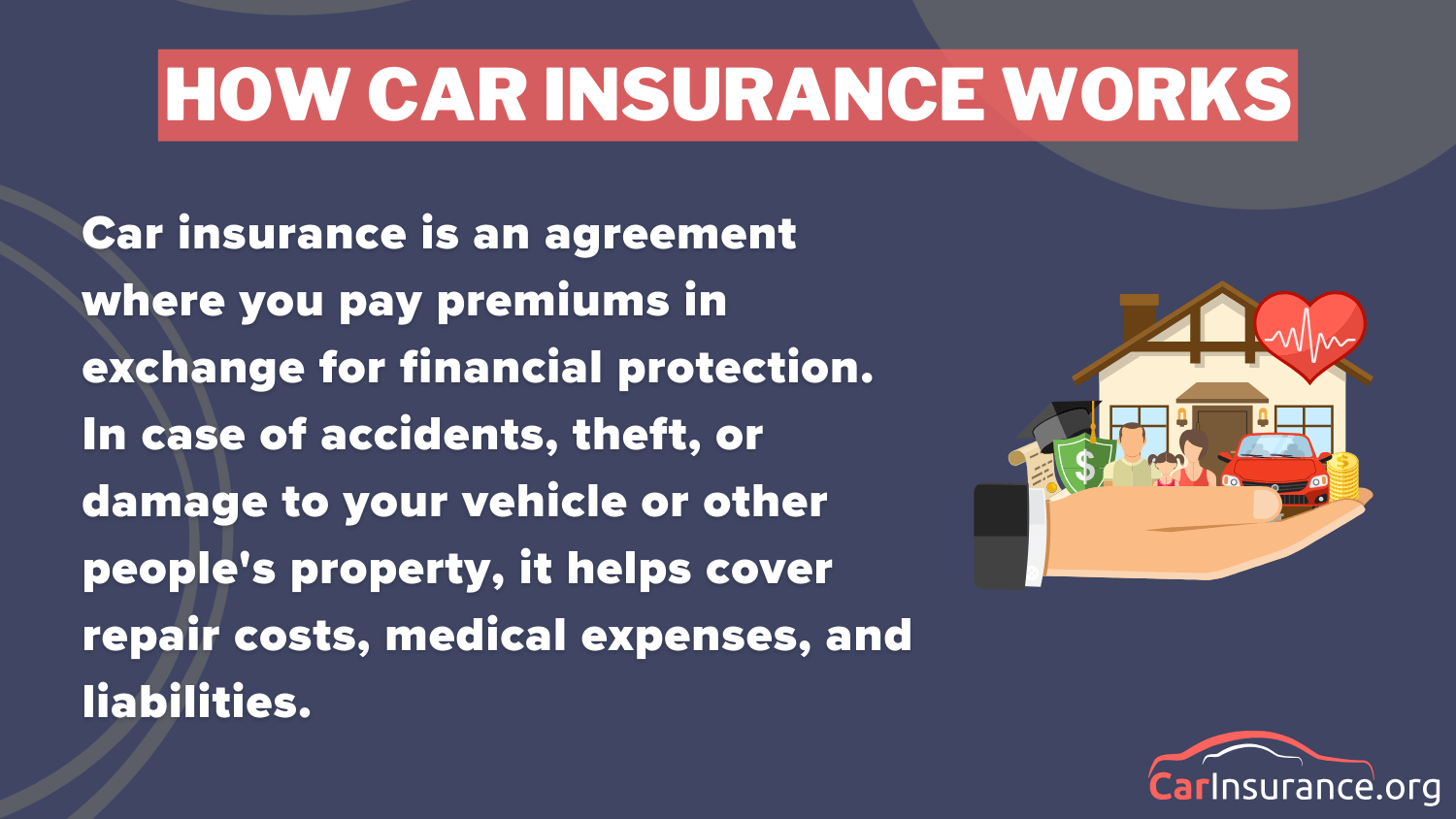
Car insurance can help mitigate financial losses in the event of a stolen vehicle or damage caused by unforeseen circumstances. Additionally, it enables individuals to comply with legal requirements and avoid penalties or legal consequences for driving without proper coverage. It promotes responsible driving behavior and ensures that drivers are financially accountable for their actions on the road.
Furthermore, car insurance allows policyholders to access various benefits and services, such as roadside assistance, towing services, and rental car coverage. The perks and pitfalls of car insurance add-ons highlight how these features can provide invaluable support during emergencies or unexpected situations.
In conclusion, car insurance is a legal necessity and a crucial financial protection for drivers. It offers peace of mind, financial security, and a safety net against unforeseen circumstances. By understanding the basics of car insurance, individuals can make informed decisions and choose the coverage that best suits their needs.
Free Insurance Comparison
Compare Quotes From Top Companies and Save
Different Types of Car Insurance
There are several types of car insurance coverage available, each serving a specific purpose.
Comparison of Car Insurance Coverage Types
| Coverage Type | Coverage Details | What It Covers | Who It Benefits |
|---|---|---|---|
| Third-Party Liability | Legally required in most states | Damages to other vehicles or property, injury to others | Drivers at fault in an accident |
| Comprehensive | Optional coverage | Theft, vandalism, natural disasters, falling objects | Drivers seeking protection from non-accident damages |
| Collision | Optional but highly recommended | Repairs/replacement of your vehicle after a collision | Drivers who want coverage for their own vehicle |
| Personal Injury Protection (PIP) | Covers medical expenses and lost wages | Injuries to you and your passengers | Drivers concerned about personal injury |
| Uninsured/Underinsured Motorist | Covers damages caused by an uninsured or underinsured driver | Medical bills and vehicle repair | Drivers seeking protection against uninsured drivers |
Understanding these options is crucial for finding the right policy that meets your needs and provides protection. Let’s take a closer look at some of the different types of car insurance coverage:
Liability Insurance
Liability insurance is the most basic form of car insurance coverage. It provides financial protection for damages and injuries you may cause to others in an accident. This includes property damage and medical expenses for the other party involved.
Liability insurance is a legal requirement in most states, ensuring that you can compensate others for the harm you may unintentionally cause. It’s important to note that liability insurance does not cover your vehicle or medical expenses.
Collision Insurance
Collision insurance covers damages to your vehicle in case of a collision with another vehicle or object. Whether it’s a minor fender bender or a major accident, collision insurance will help cover the cost of repairs or compensate for the total loss of your vehicle.
This type of coverage is especially important if you have a newer or more valuable vehicle, as the repair costs can be substantial. Having collision insurance can give you peace of mind, knowing that you won’t be left with a hefty bill in the event of an accident.
Comprehensive Insurance
Comprehensive insurance is a broader coverage that protects against non-collision-related damages. While collision insurance focuses on accidents involving other vehicles or objects, comprehensive insurance covers many potential risks. This can include theft, vandalism, natural disasters, or falling objects.
For example, if your car is stolen or damaged by a hailstorm, comprehensive insurance will help cover the cost of repairs or provide compensation for the loss of your vehicle. Comprehensive insurance can provide additional peace of mind, knowing you’re protected against various unforeseen events.
Uninsured and Underinsured Motorist Insurance
Uninsured and underinsured motorist insurance protects you if you are involved in an accident with a driver who has no insurance or inadequate coverage. Unfortunately, not everyone on the road follows the law and carries the necessary insurance. This coverage will help compensate for damages and injuries when the responsible party cannot pay.
It’s a way to ensure you are not left shouldering the financial burden of an accident caused by an uninsured or underinsured driver. This type of coverage can be particularly valuable in areas with a higher incidence of uninsured motorists.
By understanding the different types of car insurance coverage and what car insurance covers, you can make an informed decision when selecting a policy that suits your needs. Carefully consider your circumstances, vehicle value, and potential risks, and consult an insurance professional for guidance.
How to Choose the Right Car Insurance Policy
Choosing the right car insurance policy can be overwhelming, but finding the coverage that suits your needs and budget is important. Consider the following factors when selecting a policy:
Assessing Your Needs
Start by assessing your specific needs and requirements. Consider factors such as your driving record, the value of your vehicle, and your budget. Understanding your needs will help you determine the appropriate level of coverage.
When assessing your needs, it’s important to consider your driving habits and the conditions in which you typically drive. If you live in an area with heavy traffic or a high rate of accidents, you may want to consider a policy with higher coverage limits.
Additionally, if you have a new or expensive car, you may want to opt for comprehensive coverage to protect against theft, vandalism, or damage from natural disasters.
Comparing Different Insurance Providers
Take the time to research and compare insurance providers. Look for reputable companies with good customer reviews and a reliable claim settlement track record. Compare their policies, coverage options, and premium rates to find the best fit for you.
When buying car insurance, it’s important to compare providers by considering not only the policy’s cost but also the quality of service they offer, focusing on companies with a reputation for excellent customer support and an efficient claims process.
Additionally, consider the additional benefits and discounts offered by each provider. Some insurance companies offer perks such as roadside assistance, rental car coverage, or discounts for safe driving.
Understanding Policy Terms and Conditions
Before committing to a car insurance policy, thoroughly read and understand the terms and conditions. Pay attention to deductibles, limits, exclusions, and the claim process. A clear understanding of these aspects will prevent surprises or misunderstandings in the future.
When reading the policy terms and conditions, paying close attention to the deductible amount is important. The deductible is the amount you’ll pay out of pocket before your insurance coverage kicks in. Choosing a higher deductible can lower your premium, but it also means you’ll have to pay more in the event of an accident or claim.
How does car insurance work?
byu/starfishwrangler inInsurance
Additionally, make sure you understand your policy’s coverage limits. The coverage limits determine the maximum amount your insurance company will pay for a covered claim. Choosing coverage limits that adequately protect your assets and financial well-being is important.
By carefully assessing your needs, comparing different insurance providers, and understanding the policy terms and conditions, you can choose the right car insurance policy that provides the coverage and peace of mind you need on the road.
The Cost of Car Insurance
The cost of car insurance can vary depending on several factors. Understanding these factors is important for making informed decisions when purchasing a policy. Car insurance is a necessary expense for many drivers.
It provides financial protection in case of accidents, theft, or damage to your vehicle. However, the cost of car insurance can sometimes strain your budget, raising questions like, Can you deduct car insurance on your taxes? That’s why it’s crucial to explore factors influencing rates and ways to lower your premium.
Factors That Influence Car Insurance Rates
Car insurance companies consider several factors when determining your premium. These factors help them assess the level of risk associated with insuring you as a driver. Here are some of the main factors that influence car insurance rates:
- Driving record and history: Your driving record plays a significant role in determining your car insurance premium. If you have a history of accidents or traffic violations, insurance companies may consider you a high-risk driver and charge you higher rates.
- Age and gender: Younger drivers, especially teenagers, often face higher insurance rates due to their lack of experience on the road. Additionally, statistics show that male drivers tend to be involved in more accidents than female drivers, resulting in higher premiums for men.
- Vehicle make, model, and age: The type of car you drive can also impact your insurance rates. Expensive or high-performance vehicles are more costly to insure because they are more likely to be targeted by thieves or involved in accidents. Moreover, older vehicles may have higher rates due to the increased difficulty in finding replacement parts.
- Location and driving habits: Where you live and how often you drive can affect your car insurance premium. Urban areas with higher rates of accidents or theft generally have higher insurance rates. Similarly, you may face higher premiums if you use your car for long commutes or business purposes.
- Credit score: Believe it or not, your credit score can impact your car insurance rates. Studies have shown that individuals with lower credit scores are more likely to file insurance claims, leading to higher premiums.
- Insurance coverage and deductibles: The level of coverage you choose and the deductibles you set can also affect your car insurance premium. Opting for higher coverage limits or lower deductibles may result in higher premiums.
How to Lower Your Car Insurance Premiums
While some factors may be beyond your control, there are steps you can take to lower your car insurance premium. Here are some strategies to consider:
- Shop around and compare quotes from different insurers: Insurance companies have different pricing models, so it’s essential to shop around and compare quotes to find the best deal. Websites and insurance brokers can help you gather multiple quotes quickly.
- Consider increasing your deductible: Increasing your deductible can lower your premium. However, remember that you’ll have to pay more out of pocket in case of an accident or claim.
- Maintain a good driving record: You can maintain a good driving record by driving safely and avoiding accidents or traffic violations. This can qualify you for lower insurance rates over time.
- Take advantage of available discounts: Many insurance companies offer discounts that can help reduce your premium. Some common discounts include bundling policies (such as combining your car and home insurance), having safety features in your vehicle (like anti-lock brakes or airbags), or being a good student (for young drivers who maintain good grades).
Remember, car insurance rates can vary significantly between different individuals, so it’s crucial to assess your own circumstances and make informed decisions when choosing a policy. By understanding the factors that influence car insurance rates and implementing strategies to lower your premium, you can find a policy that provides the necessary coverage while keeping costs manageable.
Free Insurance Comparison
Compare Quotes From Top Companies and Save
Making a Car Insurance Claim
When it comes to car insurance, filing a car insurance claim after an accident is essential. Whether you’ve experienced an accident or damage resulting in significant financial loss, understanding the process can help you navigate the necessary steps smoothly.
When to File a Claim
It’s important to file a car insurance claim promptly when you experience an accident or damage. By reporting incidents promptly to your insurance provider, you can initiate the claim process and get the ball rolling on getting the compensation you deserve.
Understanding how car insurance works and factoring in rates starting at $125/month can help you make more informed decisions for optimal coverage.Travis Thompson Licensed Insurance Agent
However, it’s worth noting that not all incidents require filing a claim. It might be more cost-effective to handle the repairs out of pocket for minor damages that are within your deductible or can be easily repaired without involving your insurance. Your insurance provider can guide when it’s appropriate to file a claim.
The Claim Process Explained
The claim process typically involves several steps that you need to follow to ensure a smooth and efficient resolution:
- Notify your insurance provider of the incident: As soon as you experience an accident or damage, contact your insurance provider to report the incident. Most insurance companies have dedicated hotlines or online portals where you can file a claim.
- Provide necessary documentation: To support your claim, you’ll need to provide the necessary documentation. This may include police reports, photographs of the damage, and any other relevant evidence. The more thorough and detailed your documentation is, the smoother the claims process will be.
- Work with the claims adjuster: After filing a claim, your insurance company will assign a claims adjuster to assess the damages and determine coverage. The claims adjuster will review the documentation you provided and may conduct an inspection or interview to gather more information. It’s important to cooperate fully with the claims adjuster and provide any additional information they may require.
- Receive compensation or repairs: Once the claims adjuster has evaluated the damages and determined the coverage, you will receive compensation or repairs based on the terms of your policy. This could involve receiving a check for the estimated cost of repairs or having your car repaired at a designated repair shop.
It’s essential to understand that the timeline for the claim process can differ based on the complexity of the incident and how quickly all parties respond. However, most insurers aim to handle claims swiftly and efficiently to reduce any inconvenience for their policyholders. This is part of how motor insurance works.
Filing a car insurance claim can feel overwhelming, but knowing how car insurance works and having all the required details can simplify the process and lead to a fair outcome. If you have any doubts or need assistance with filing a claim, reach out to your insurance provider for help and guidance.
Common Misconceptions About Car Insurance
Many drivers need clarification of insurance works, which can lead to confusion when selecting a policy or filing a claim. Clarifying these misconceptions helps ensure you make informed decisions about your coverage and avoid surprises on the road.
Debunking Car Insurance Myths
There are many misconceptions surrounding car insurance, including what a no-fault state means. Let’s debunk some of the most common myths:
- Myth: Red cars are more expensive to insure.
- Myth: Your insurance premium will automatically increase after an accident.
- Myth: Your credit score doesn’t affect your car insurance rates.
Facts About Car Insurance
Here are some important facts about car insurance:
- Fact: Car insurance rates can vary significantly between different insurers.
- Fact: Your insurance coverage can extend to rental cars in some cases.
- Fact: Review and update your policy regularly to ensure adequate coverage.
Recap: Navigating Your Car Insurance Policy
Understanding how car insurance works is essential for every driver. Remember these key takeaways:
- Car insurance provides financial protection in case of accidents, damages, or other events.
- There are different types of car insurance coverage, including liability, collision, comprehensive, and uninsured motorist insurance.
- Choosing the right policy involves assessing your needs, comparing providers, and understanding the terms and conditions.
- The cost of car insurance is influenced by factors such as driving record, vehicle, and location.
- When making a claim, report incidents promptly and follow the claim process outlined by your insurance provider.
- Be aware of common misconceptions about car insurance and stay informed about the facts.
Car insurance is a safety net, providing financial protection and peace of mind while driving. By understanding the basics, knowing when to use your deductible, choosing the right policy, and navigating the claim process, you can ensure you are adequately protected on the road. Stay informed and proactive to make the most of your car insurance and drive confidently.
Thinking another insurer has better rates? Compare using your ZIP code in our free quote comparison tool below.
Frequently Asked Questions
How does insurance work?
Car insurance, how it works, is that it collects premiums from multiple individuals or businesses to build a fund. This process explains how a car insurance policy works, where the insurer provides financial compensation for specific events, such as accidents or damages, in return for regular payments.
What is the purpose of auto insurance?
Vehicle insurance offers financial protection in case of accidents, theft, or damage. Depending on the chosen policy and coverage, it can cover repair costs, medical bills, and legal fees. Understanding how vehicle insurance works is essential for navigating the complexities of car insurance and coverage options, keeping you on the road to safety.
How do I claim insurance for an accident?
To claim insurance for an accident, report the incident to your insurance company immediately, providing necessary details such as the accident’s cause and the damages. You may also need to provide police reports, witness statements, or other relevant information. Do I really need to call the police or file a claim after an accident? This depends on the severity of the incident and your insurance provider’s requirements.
How do I claim insurance for a personal accident?
To file a claim for a personal accident, inform your insurer and provide a claim form, medical records, proof of injuries, and relevant accident details. The insurer will evaluate the claim and decide the compensation amount. Drive with greater confidence if you understand the essentials of auto insurance and can explain how car insurance works.
How does insurance pay out?
Insurance pays out when a covered event occurs and the claim is approved. Depending on the policy type, deductibles, and terms agreed upon in the contract, the payout can be made as a lump sum or a series of payments.
How is insurance calculated?
Insurance premiums are calculated based on various factors, including the level of coverage, type of insurance, the individual’s risk profile (e.g., age, driving history, health), the value of the insured item or property, and things you do that can raise your premiums, such as risky driving habits or frequent claims.
What are the top 3 types of insurance?
The top 3 types of insurance are health, auto, and life insurance. These are the most common types, protecting medical costs, vehicle damages, and financial security for loved ones.
Why do I need insurance?
Insurance is essential because it helps protect you from financial loss in case of unexpected events, such as accidents, medical emergencies, or property damage. It provides peace of mind by ensuring you’re covered in challenging situations.
What is the deductible in an insurance policy?
A deductible is the amount you must pay out of pocket before your insurance provider covers the remaining costs. Higher deductibles often result in lower premiums but require more payment upfront when a claim is made. What if you can’t pay your deductible? In such cases, you may need to explore alternative payment options or work with your insurance provider for possible solutions.
What insurance do I need for my car?
It would be best if you typically had auto insurance that meets your state’s minimum liability requirements. Additional coverage, such as comprehensive, collision, and uninsured motorist protection, may also be necessary, depending on your needs and circumstances.
What is the purpose of insurance?
What is risk in insurance?
What is the primary purpose of car insurance?
Why is insurance a must?
How long does it take to pay out insurance?
Which insurance is the most important?
What are the limits of insurance?
How much deductible should I pay?
What is an excess in insurance?
What does car insurance do?
How can I use SafeAuto quick pay for my insurance payments?
What are the best options for car insurance in Everett, WA?
Related Articles


Get a FREE Quote in Minutes
Insurance rates change constantly — we help you stay ahead by making it easy to compare top options and save.